
The allure of architectural design
The architectural design of casinos is meticulously crafted to enhance the player experience and maximize engagement. From the moment visitors step through the doors, they are enveloped in an atmosphere of excitement, luxury, and anticipation. The choice of materials, colors, and layouts plays a critical role in establishing this ambiance. For instance, many casinos utilize warm tones and plush furnishings to evoke a sense of comfort and opulence, encouraging guests to linger and enjoy their time on the premises. Moreover, visitors interested in entertainment often consider the availability of various betting sites that complement their experience, creating a well-rounded visit. This careful selection not only draws people in but also helps in creating a psychological connection, making players feel welcome and eager to explore.
Moreover, the spatial arrangement within a casino is strategically designed to keep patrons moving. Slot machines, gaming tables, and other attractions are positioned in a way that creates an inviting flow, allowing visitors to explore without feeling lost. This layout not only promotes a sense of discovery but also subtly encourages individuals to gamble longer, as the journey through the space is filled with visual stimuli and potential rewards. The design often incorporates sightlines that encourage engagement, allowing players to view others winning or enjoying themselves, further stimulating their desire to participate.
Additionally, the exterior design of a casino is equally significant in drawing players in. Glittering lights and grand entrances are employed to capture attention and create a sense of wonder. This external allure serves as a powerful marketing tool, enticing passersby to cross the threshold and experience the thrill within. The use of iconic structures or unique architectural features can create a landmark effect, which not only attracts visitors but also fosters a sense of curiosity. Ultimately, the architectural design stands as a testament to the understanding of human psychology and the desire for immersive experiences that resonate deeply with visitors.
The impact of sound and lighting
Sound and lighting play pivotal roles in shaping the casino environment, enhancing both the aesthetic experience and the psychological influence on guests. Casinos often employ a carefully curated soundtrack, featuring upbeat music and the sounds of jingling coins, which creates an atmosphere of excitement and reinforces the idea of winning. The auditory experience is designed to evoke feelings of joy and euphoria, making players more likely to engage with the games and stay longer. By creating a soundscape that celebrates wins, casinos enhance the emotional highs associated with gambling, reinforcing positive experiences and encouraging repeat visits.
Lighting, on the other hand, is meticulously controlled to create a sense of urgency and alertness. Bright lights are commonly used to spotlight games, while darker areas allow for a more intimate experience at card tables. These varied lighting techniques not only guide players through the space but also enhance the emotional highs associated with gaming. The strategic use of neon and flashing lights can evoke feelings of thrill and anticipation, drawing players into the excitement of potential wins. This interplay between light and sound serves to create a multi-sensory environment that keeps players engaged and heightens their emotional responses.
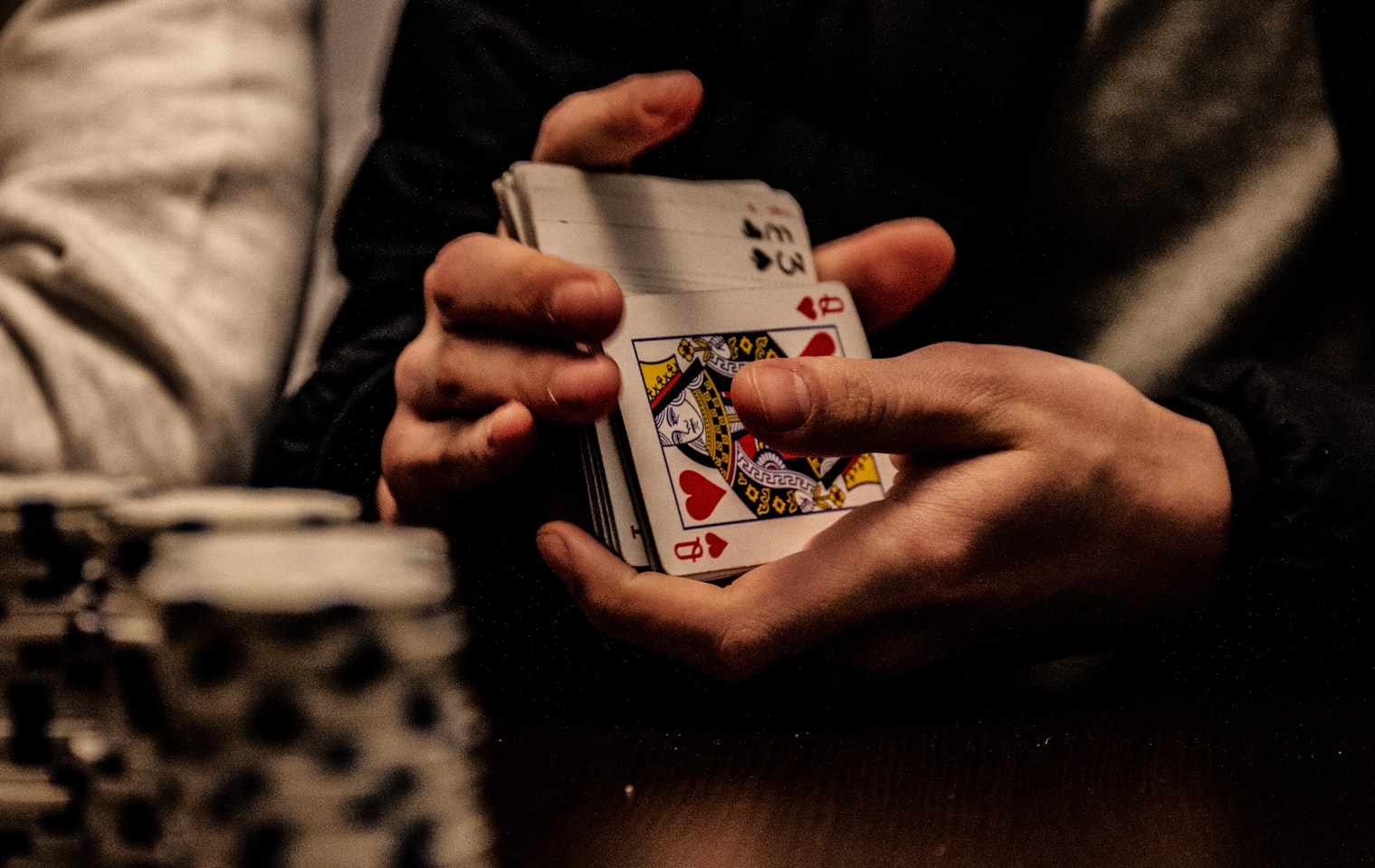
A fascinating aspect of sound and lighting in casinos is their interplay with time perception. Studies reveal that dim lighting and continuous sound can distort a player’s sense of time, causing them to lose track of how long they’ve been gambling. This can lead to extended gaming sessions, contributing to the casino’s bottom line while simultaneously playing into the psychology of addiction. Understanding these elements is essential for both casino operators and players to navigate the nuanced relationship between environment, experience, and behavior. By carefully manipulating these sensory inputs, casinos can maximize engagement and maintain a lively atmosphere that compels players to stay and play.
The role of social interaction
Social interaction is a foundational element of the casino experience, influencing player behavior and decision-making. Games such as poker and blackjack foster camaraderie among players, as they engage in discussions and strategize together or against one another. This communal aspect can enhance the thrill of gaming and make the experience more enjoyable, encouraging players to return for more than just the chance to win money. The social dynamics created in these settings can lead to a heightened sense of excitement, as players share in each other’s victories and losses.
Furthermore, casinos often design spaces that facilitate social interactions, featuring lounges, bars, and dining areas strategically positioned near gaming floors. These areas not only provide a place for relaxation and conversation but also act as extensions of the gaming experience. Players are likely to socialize before or after games, sharing stories and building relationships, which contributes to a sense of community and loyalty toward the casino. This social fabric is bolstered by events, tournaments, and promotions that encourage player engagement, creating a vibrant atmosphere that feels welcoming and inclusive.
Additionally, the concept of competition is vital in fostering social engagement within casinos. Tournaments and promotions invite camaraderie while encouraging competitive spirit among players. This blend of competition and socialization can lead to a deeper emotional investment in the games, resulting in longer playtimes and increased expenditures. Recognizing the importance of community interactions helps casinos tailor their offerings to enhance player satisfaction and retention. By providing opportunities for players to connect, share experiences, and compete, casinos create an environment that thrives on social dynamics and shared excitement.
The influence of rewards and incentives
Casinos masterfully leverage the psychology of rewards and incentives to drive player engagement and loyalty. The concept of instant gratification plays a significant role in gambling, as players often receive immediate rewards in the form of wins, bonuses, or complimentary services. This psychological reward system reinforces the behavior of gambling, creating a compelling loop where players are motivated to return in search of that exhilarating feeling of victory. This immediate feedback can create a sense of achievement, making players feel like their efforts are recognized and valued.

Moreover, loyalty programs and player rewards are strategically implemented to create a sense of belonging and appreciation. These programs often provide tangible benefits for continued play, such as exclusive offers, free meals, or luxury accommodations. The anticipation of earning rewards fosters a deeper connection between the player and the casino, as individuals feel valued for their patronage and are more likely to return to maintain their status and benefits. By cultivating this sense of loyalty, casinos can transform casual visitors into regular patrons who are invested in the casino experience.
In addition to immediate rewards, the concept of variability in outcomes also attracts players. The thrill of uncertain rewards can lead to a heightened sense of excitement, encouraging players to engage more frequently. This unpredictability plays into the allure of gambling, as players chase after that next big win. By understanding the psychology behind rewards and incentives, casinos can design their offerings to maximize player satisfaction and maintain a steady flow of engagement and revenue. The careful crafting of reward systems not only enhances the gaming experience but also solidifies the relationship between the casino and its patrons.
Exploring the online casino landscape
As traditional casinos evolve, the online casino landscape is experiencing rapid growth and transformation. The design principles that underpin physical casinos are now being adapted for digital platforms, presenting unique challenges and opportunities. Online casinos strive to replicate the immersive environment of their brick-and-mortar counterparts, utilizing graphics, sound effects, and user-friendly interfaces to engage players virtually. The challenge lies in creating an experience that feels authentic and engaging, despite the lack of physical presence.
User experience is paramount in online casino design, influencing navigation and accessibility. Developers focus on creating intuitive layouts that allow players to easily find their favorite games, participate in promotions, and explore new offerings. The integration of social features, such as live dealer options and chat capabilities, helps recreate the communal aspects found in physical casinos, fostering connections among players and enhancing overall engagement. This social interaction is crucial in keeping players invested and creating a sense of belonging in the online gaming community.
Additionally, the use of gamification techniques—such as achievement badges, levels, and challenges—allows online casinos to tap into the psychology of competition and reward. By providing players with clear goals and incentives, these platforms can encourage longer playtimes and greater interaction. As the online casino industry continues to expand, understanding the psychological principles behind design will be crucial in attracting and retaining players in a competitive market. The future of online casinos hinges on their ability to innovate and adapt, ensuring that they remain engaging and relevant in an ever-evolving digital landscape.