
The allure of chance in casino games
At the heart of casino games lies the captivating allure of chance. This unpredictability attracts players, enticing them to try their luck in hopes of winning big. The psychological concept of intermittent reinforcement plays a crucial role here. Unlike games where wins are consistent, casino games provide sporadic rewards, which can create a stronger sense of excitement and anticipation. Players remember their wins more vividly than their losses and often return seeking that rush once more. Many enthusiasts find the best online casino experiences to amplify this thrill, as the thrill of uncertainty fosters a cycle where players are continuously drawn back, believing that the next spin or hand could lead to a life-changing win.
Furthermore, studies have shown that the thrill of uncertainty can be addictive. This phenomenon is supported by the brain’s reward system, which releases dopamine when a player wins, reinforcing their behavior and encouraging repeat play. Such behaviors reflect the psychological drive to chase losses, a common tendency where players continue to engage even after experiencing negative outcomes. This cycle of hope and disappointment contributes to the ongoing popularity of casino gaming, as players become entranced by the possibility of a favorable outcome. The emotional highs of winning predispose players to overlook the statistical realities of losing, further fueling their desire to play.
Add to this the environment of the casino, designed to immerse players in sensory experiences. The sounds of spinning reels, the flashing lights, and the excitement of nearby winners create a stimulating atmosphere that can alter a player’s perception of time and reality. This sensory overload can lead individuals to make impulsive choices regarding their game selections, often favoring games they feel more engaged with due to these psychological triggers. As players navigate through this vibrant landscape, the blend of sights and sounds creates an intoxicating experience that can overshadow rational decision-making, drawing them deeper into the world of chance.
Players’ preferences: skill versus luck
Another significant aspect of casino game choices revolves around the players’ perception of skill versus luck. Some players gravitate towards games like poker, where skill and strategy can influence the outcome, while others prefer games of pure chance, such as slot machines. This dichotomy highlights the personal beliefs and attitudes players have regarding control and success. Players who opt for skill-based games often derive satisfaction from their ability to affect game outcomes through their decisions. This sense of agency can enhance the overall gaming experience, as they feel more empowered and engaged in the play.
Conversely, players drawn to pure chance games might appreciate the simplicity and ease of play. For them, the thrill lies in the hope of a big jackpot without the burden of strategizing. This choice can also be influenced by players’ past experiences with games. If someone has enjoyed success in a specific game type, they’re more likely to continue engaging with it, forming a psychological attachment driven by positive reinforcement. The ease of understanding and the instant gratification found in these games often attract a broader audience, including those who may not consider themselves seasoned gamblers.
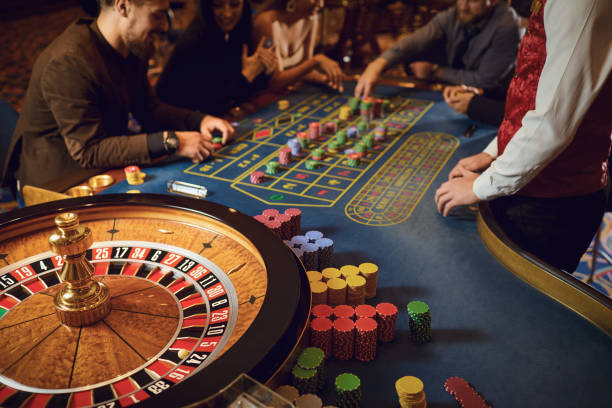
Moreover, these preferences can shift based on the social context. For instance, while some players may enjoy the competitive nature of poker in a group setting, they might prefer solitary games like slots when seeking downtime. The identification of such preferences offers insight into the diverse motivations of casino-goers. Social interactions can enhance the enjoyment of skill-based games, while the solitary experience of chance games allows for escapism. Understanding these dynamics is crucial for casinos aiming to cater to varied player preferences, ultimately enhancing their offerings and customer satisfaction.
The impact of marketing and branding
Marketing and branding play critical roles in shaping players’ game choices at casinos. Clever promotional strategies, such as bonuses, themed game nights, and celebrity endorsements can greatly influence a player’s decision-making process. Casinos invest heavily in branding to create an emotional connection with players, presenting their offerings as not just games, but experiences. This psychological manipulation can invoke a sense of loyalty and preference for certain games over others. By creating an engaging narrative around their games, casinos can enhance player investment and foster a deeper connection to the gaming experience.
The presentation of a game is equally important. Visually appealing game interfaces or graphics can attract players, leading them to explore options they might otherwise overlook. The use of colors, imagery, and sound effects can create an enticing atmosphere that draws players towards specific games. Additionally, the storytelling aspect of a themed game can engage players on an emotional level, fostering attachment and preference based on narrative elements. This ensures that players are not only drawn in by the mechanics of the game but also by the stories and themes that resonate with them personally.
Furthermore, the influence of social proof cannot be understated. When players see others engaging and winning at a particular game, they may feel compelled to try it themselves. This tendency is rooted in social psychology, where individuals often look to others to guide their choices. Consequently, casinos carefully curate the gaming floor layout, placing high-traffic machines in prominent locations to attract more players, amplifying the allure of these popular choices. The collective excitement around certain games can create a bandwagon effect, further solidifying their appeal and encouraging hesitant players to join in.
Behavioral biases and their effects
Cognitive biases significantly influence the choices players make in casinos. One prominent example is the Gambler’s Fallacy, where players believe that past outcomes affect future results, leading to flawed reasoning about their chances of winning. For example, if a player sees a slot machine payout frequently, they may assume it is “due” for another win, prompting them to spend more time and money on it. This illusion of control can lead to poor financial decisions and increased engagement with certain games. Understanding this bias can help both players and casinos develop strategies to mitigate its effects and promote healthier gaming habits.

Another behavioral phenomenon is loss aversion, where players experience the pain of losing more intensely than the pleasure of winning. This bias can drive players to chase losses, causing them to continue gambling in hopes of recovering their stakes. The psychological burden of losses can create a compelling narrative, fueled by the desire not only to win but to overcome previous defeats. Such a mindset reinforces the cycle of gambling, often leading to an unhealthy relationship with gaming. Recognizing how these biases affect decision-making can encourage players to approach gaming with a more balanced perspective.
Moreover, the presence of ‘near-miss’ outcomes can further distort players’ perceptions of success. For example, if a player is one symbol away from a jackpot, they may feel a sense of accomplishment despite not winning. This phenomenon can motivate continued play, as players might believe they are close to hitting a lucky break. The intricate interplay between these biases and game choices highlights the complex psychological landscape of casino gaming. By understanding these influences, players can better navigate their experiences and make more informed decisions regarding their gambling activities.
Understanding the casino experience through a comprehensive lens
Understanding the psychology behind casino game choices requires a multifaceted approach. It encompasses elements of chance, perceived skill, marketing influences, and behavioral biases, all converging to shape players’ experiences. By recognizing these factors, casinos can tailor their environments and gaming options, fostering a space that appeals to diverse preferences while encouraging responsible gaming practices. The design and atmosphere of casinos can be optimized to enhance the player experience, ensuring that it remains engaging and enjoyable while promoting moderation.
Additionally, this understanding can empower players to make more informed choices regarding their gaming habits. By acknowledging the psychological triggers at play, players can develop awareness about their motivations and potential biases, fostering healthier relationships with gambling. The goal should be to enhance enjoyment while minimizing the potential for negative consequences associated with excessive play. Educating players about these dynamics can contribute to a more sustainable gaming culture, where enjoyment does not come at the cost of well-being.
Ultimately, the intricate psychology of casino gaming is not just about the numbers but the emotional and cognitive experiences that accompany gameplay. As the industry continues to evolve, the exploration of these psychological aspects will remain vital, ensuring that both casinos and players can benefit from a balanced and enjoyable gaming atmosphere. By integrating psychological insights into their strategies, casinos can create environments that prioritize player satisfaction and well-being, paving the way for a more enriching gaming experience.