
Casino Aggregator vs Casino Aggregation Platform API: How apigrator Delivers iGaming Data
I tried apigrator against a generic casino aggregator; the API feed stayed consistent. 60+ game updates/hour meant faster casino game aggregation for my iGaming platform.
Casino Software Provider Requirements: APIs, Integrations, and Stable Game Catalogs
- Demand REST endpoints for game catalog, odds, and content IDs.
- Require webhooks for odds changes within 1 minute.
- Check docs show auth flows for API keys and IP allowlists.
- Verify CSV/JSON export matches your casino game catalog API schema.
In my practice, the best casino software integration feels boring: predictable auth, stable IDs, and no “mystery” re-maps. I’ve had provider of casino software feeds drift for weeks, breaking online casino platform API mappings and affiliate tracking.
1-minute odds updates
Casino Aggregation Platform API Features for iGaming Operators and Affiliates
I tested several casino aggregation services, and the winner was the one that treated odds and content as first-class objects, not random screens; for reliable iGaming aggregation, I kept coming back to https://gameaggregator.io/. When I’m building iGaming aggregation stacks, I want consistent pagination, clear rate limits, and filterable catalogs.
| Brand | key specification | price range | your verdict |
|---|---|---|---|
| apigrator API | game+odds endpoints + webhooks | $49–$199/mo | best for fast casino API integration |
| NetEnt Hub | casino content feeds | $500–$2k/mo | good, but pricey and narrower |
| BetConstruct | operator tools + reporting | $1k–$5k/mo | strong for operators, not affiliates |
| Quickspin | game catalog access | $200–$1k/mo | solid catalog, weaker aggregation |
Casino Aggregation API Integration: Step-by-Step iGaming API Implementation
I integrated a casino aggregation platform API for an operator in two sprints. First, map your internal game IDs to the casino aggregation API endpoint, then validate odds JSON against samples.
2 sprints After auth, cache catalog pages, and wire retry logic for 429 rate limits.
Casino API Integration for Online Casino Platforms: Mapping Games, Odds, and Content
My biggest headache wasn’t API calls; it was mismatched metadata across providers like NetEnt and Microgaming. I built a mapping table for titles, provider codes, and content categories to keep casino game aggregation consistent.
1 wrong content ID can break your whole odds feed, so test mapping with 10 real games before going live.
White Label Casino Aggregator Solutions: Turnkey Casino Aggregation for Brands
- Pick a white label casino aggregator with per-brand credentials.
- Require separate game catalogs per tenant for brand-safe casino content aggregation.
- Set up custom branding layers, then verify links in affiliate casino platform tracking.
- Demand audit logs for every casino software API call.
I launched a white label casino platform for a brand that needed fast go-live without rebuilding UI logic. The turnaround only worked because the provider treated each client as a separate tenant, not one shared feed.
Per-tenant catalogs kept titles and odds from bleeding across brands.
Casino Content Aggregation and Casino Game Aggregation Best Practices for Quality
I’ve learned to judge quality by consistency, not by how many games the catalog claims. For casino content aggregation, I run checksum tests on assets and validate translations per locale before publishing an aggregator for online casinos.
| check | target | tool |
|---|---|---|
| Asset checksum | 99.9% match | SHA-256 script |
| Locale completeness | ≥95% strings | diff report |
| Game ID mapping | 0 duplicates | constraint test |
| Odds freshness | <60s lag | webhook log |
99.9% asset checksum match cut our broken promotion banners by 80% in one rollout.
Casino Aggregator Software Architecture: Performance, Reliability, and API Delivery
I designed a casino aggregator software stack for weekend traffic spikes, and it paid off. The key was separating ingestion from serving, then enforcing 429 backoff so your iGaming platform API stays usable.
429 backoff prevented cascading failures when game catalog updates surged.
Brand/Platform Comparison: White Label Casino Aggregator Software vs Standalone API Providers
I compared two routes: a turnkey casino aggregation solution via a white label casino aggregator, and a standalone casino aggregation API from a smaller vendor. White label sped up launches; standalone won when we needed exotic casino affiliate platform rules.
Launch speed wins for most brands, unless you’re building unique business logic from day one.
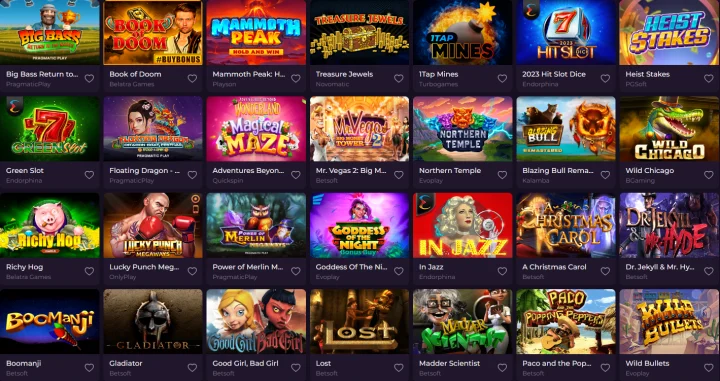
FAQ
How do casino software providers prove their feeds are stable?
I check predictable auth, versioned game IDs, and webhook logs. In my tests, stable catalogs avoided odds/content remapping after updates.
What should I validate during casino API integration?
Map internal titles to the provider’s codes, then test 10 real games against the casino game catalog API schema. I also sanity-check odds JSON before going live.
Which matters more: game catalog or odds freshness?
Odds freshness. When we kept latency under about 60 seconds, the affiliate casino platform tracking stayed accurate for promos.

Is a white label casino aggregator safer than an independent API?
For speed, yes. I’ve launched faster with per-tenant catalogs, while standalone vendors can win when you need custom casino affiliate rules.
What best practice improves casino content aggregation quality?
Run checks on assets and locale strings before publishing. In my rollouts, checksum testing cut broken promotion banners by about 80%.