
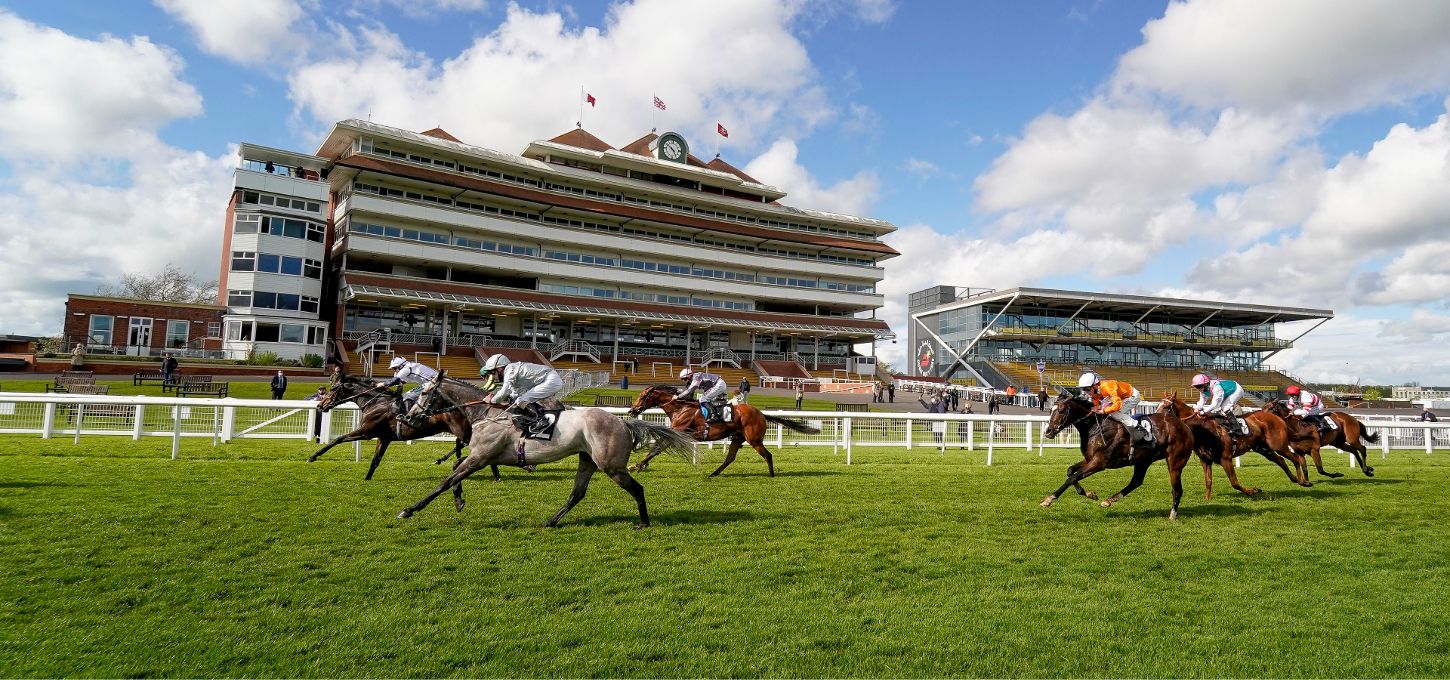
Understanding UK Horse Racing: What to Do When Races Are Not On
Horse racing has long been a beloved sport in the UK, with a rich history that captivates audiences and engages bettors alike. However, there are times when races are not on, leading to confusion and questions about the implications for fans, bettors, and the industry. To navigate through these times, understanding the landscape of UK horse racing and its operations is crucial. When races are not on, many turn to different platforms for their betting needs, such as UK horse racing not on GamStop horse racing betting not on GamStop, to ensure they can still enjoy the thrill of wagering. In this article, we will delve into the reasons why horse races may not take place, explore alternative betting avenues, and discuss the future of horse racing in the UK.
The Significance of Horse Racing in the UK
Horse racing is not just a sport; it is an integral part of British culture and economy. The annual contribution of horse racing to the UK economy is estimated to be in the billions, encompassing job creation, tourism, and betting revenues. Major events like the Grand National, Royal Ascot, and Cheltenham Festival draw in large crowds and betting volumes, making them highlights of the sporting calendar.
Despite its popularity, there are periods when races may not be on due to various reasons. Understanding these reasons helps fans and bettors alike make sense of the uncertainty.
Reasons Why Races May Not Be On
There are several reasons why horse racing events might be canceled or postponed. These reasons include:
- Weather Conditions: One of the primary reasons for cancellations is inclement weather. Heavy rain, snow, or unsafe track conditions can lead to the abandonment of races, as safety for horses, jockeys, and spectators is paramount.
- Health and Safety Regulations: The ongoing concern for health and safety, especially against outbreaks of diseases among horses, can lead to events being called off to prevent the spread and protect the equine population.
- Economic Factors: Sometimes, economic considerations play a role in whether events take place. If the anticipated turnout is not high enough to cover costs, organizers may decide to cancel.
- Administrative Decisions: On occasion, administrative issues at the level of racing authorities or track management can also affect the scheduling of races.
What to Do When Races Are Not On
When there are no horse races scheduled, punters often find themselves at a loss. However, there are several alternatives to keep the excitement of betting alive:
- Explore Other Sports: Many platforms offer betting on various sports. Whether it’s football, tennis, or racing from around the globe, there are plenty of betting opportunities outside of horse racing.
- Engage in Virtual Sports: Virtual racing and sports have gained popularity as they provide a quick and engaging alternative. These simulations allow bettors to enjoy quick results and the thrill of wagering.
- Stay Informed: Use the time to catch up on horse racing news, watch past races, or analyze stats and performances. This knowledge will be invaluable when races resume.
- Participate in Fantasy Sports: Engaging in fantasy sports related to horse racing or another sport can provide an enjoyable outlet while waiting for real races to resume.
The Future of Horse Racing in the UK
The future of horse racing in the UK looks promising, but it will require adaptation and resilience in the face of various challenges. Innovations in technology, increased engagement through digital platforms, and maintaining the safety of equine athletes are key areas of focus.
Additionally, the industry will need to continue to enhance its appeal to younger audiences, who may be more inclined towards digital betting experiences and other sports. Integrating education around horse racing, its heritage, and betting safely will be crucial as the industry moves forward.
Conclusion
While times when horse racing is not on can be disappointing for fans and bettors alike, understanding the factors at play and exploring alternative options can mitigate the impact. The UK’s horse racing scene, rooted in tradition and passion, will continue to thrive, adapting to new norms while ensuring that the excitement remains for bettors and spectators. Engaging with the sport, even when races are on hold, will keep the spirit of racing alive as we await the next thrilling event.